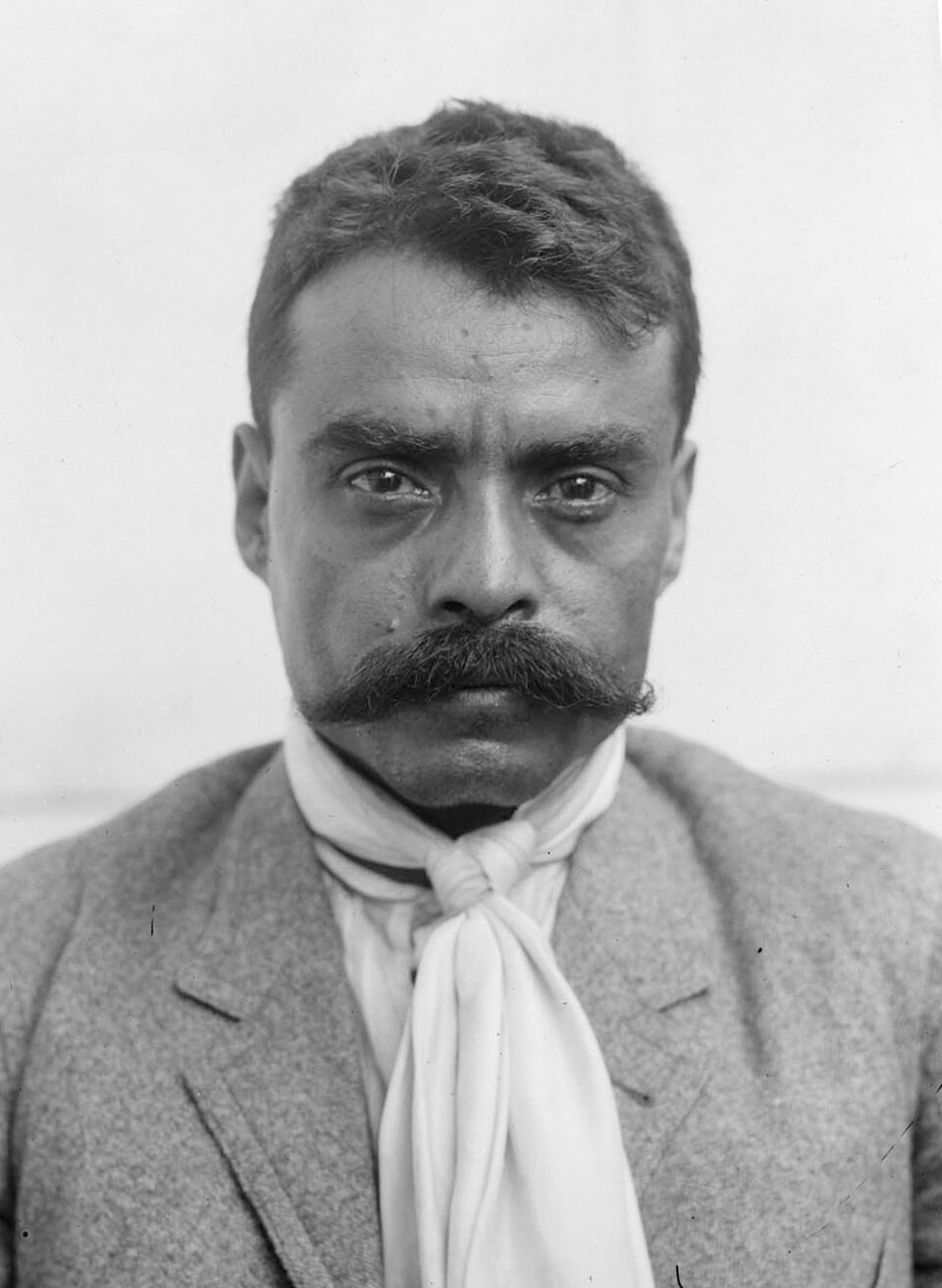
Beyond Zapata Napoli Torino: Understanding Emiliano Zapata's Legacy
The name "Zapata" often conjures images of revolutionary fervor, land reform, and unwavering courage. For many, a search term like "zapata napoli torino" might pique curiosity, suggesting an intriguing cross-cultural connection. However, it’s crucial to clarify this modern search query. While the surname Zapata is shared by many, including contemporary figures associated with Italian cities like Naples and Turin (such as a certain prolific footballer), the legendary figure we focus on here is Emiliano Zapata Salazar, the iconic leader of the Mexican Revolution. His legacy is deeply rooted in the fight for agrarian justice within Mexico, a story far removed from the football pitches or historical annals of Italy.
This article aims to disentangle these associations, guiding you beyond a potentially misleading search term to illuminate the true, profound impact of Emiliano Zapata. We will delve into his life, his revolutionary ideals, and why his struggle for Tierra y Libertad (Land and Liberty) continues to resonate powerfully, not just in Mexico but across the globe, as a timeless symbol of resistance against oppression.
The Mexican Revolutionary: Who Was Emiliano Zapata?
Born on August 8, 1879, in Anenecuilco, Morelos, Mexico, Emiliano Zapata emerged from humble beginnings, a peasant with indigenous Nahua roots. His early life was marked by firsthand observation of the injustices faced by his community and countless others. He witnessed the systematic dispossession of indigenous lands by wealthy landowners (hacendados), a process exacerbated by the policies of the autocratic regime of President Porfirio Díaz.
This direct experience ignited a fire within Zapata. He was not merely a military leader; he was a natural defender of his people, advocating for their ancient rights to communal lands. By 1909, he was elected president of the defense council of Anenecuilco, a testament to the trust and respect he commanded among his neighbors. His initial attempts to resolve land disputes through legal means proved futile against a corrupt system, pushing him towards more radical solutions.
When Francisco I. Madero launched his revolution against Díaz in 1910, Zapata saw an opportunity for real change. He swiftly organized the Liberation Army of the South, a formidable peasant force that quickly became a key player in the conflict. Zapata’s commitment was singular: the restoration of land to those who worked it. This unwavering focus on agrarian reform distinguished him from other revolutionary leaders, many of whom had different priorities or less radical visions for Mexico's future.
Zapata's forces played a crucial role in Díaz's overthrow, yet Madero, once in power, proved hesitant to implement the deep-seated land reforms Zapata deemed essential. This betrayal led to an inevitable schism, driving Zapata to continue his fight, not just against the old regime but against any government that failed to address the fundamental injustices plaguing the Mexican peasantry.
Unraveling "Zapata Napoli Torino": A Common Misconception
It's understandable why a search like "zapata napoli torino" might yield unexpected results if one is looking for the Mexican revolutionary. The simple truth is that Emiliano Zapata, the historical figure, has no direct or historical connection to the Italian cities of Naples or Turin. The surname "Zapata" is common across the Spanish-speaking world, and indeed, many individuals bearing this name have made significant contributions in various fields and locations.
The most probable reason for the association between "Zapata" and "Napoli Torino" in contemporary search queries stems from the world of sports, particularly football. Colombian striker Duván Zapata, for instance, has had a notable career playing for several Italian clubs, including Napoli and Torino. Therefore, if you are looking for information about a "Zapata" connected to these cities, it is highly likely you are encountering details about a modern-day athlete, rather than the early 20th-century Mexican revolutionary.
This distinction is vital for accurate historical understanding. While search engines can connect terms based on shared words, it's our role as users to apply critical thinking and contextualize the information. Historical sources, biographies, and academic studies concerning Emiliano Zapata unequivocally place his life and struggles within the borders of Mexico. The provided reference contexts for this article explicitly confirm that no information about "zapata napoli torino" is found within texts detailing the life of the Mexican revolutionary, reinforcing the lack of historical connection.
For a deeper dive into why historical sources on Emiliano Zapata don't link him to Italy, you might explore Zapata Napoli Torino: Context Reveals Missing Content and Why Zapata Napoli Torino Info Isn't Found in Current Sources. These resources further clarify the absence of such a connection in relevant historical documentation.
El Plan de Ayala: Zapata's Vision for a Just Mexico
After breaking with Madero, Zapata codified his revolutionary ideals in the Plan de Ayala, proclaimed on November 25, 1911. This document was not just a political manifesto; it was a radical blueprint for social justice, rooted in the principle of Tierra y Libertad. It accused Madero of betraying the revolution's ideals and called for his removal from power. More importantly, it laid out a comprehensive agrarian reform program that would become the cornerstone of Zapatismo.
- Land Restitution: The plan demanded the immediate return of lands, forests, and water resources illegally seized from indigenous communities and peasants during the Díaz era.
- Expropriation of Haciendas: It called for the expropriation, with compensation, of one-third of the lands belonging to large haciendas, distributing them among the landless. Those who resisted would have their entire estates nationalized without compensation.
- Communal Ownership: It emphasized the importance of communal ownership and use of land, recognizing the traditional practices of indigenous communities.
- Revolutionary Authority: The plan vested authority in the villages and revolutionary leaders to enforce its provisions, bypassing the corrupt existing legal framework.
The Plan de Ayala was a revolutionary document for its time, directly challenging the entrenched power structures and advocating for a fundamental redistribution of wealth and power. It cemented Zapata's image as the unyielding champion of the poor and oppressed, a leader whose words translated directly into action for the betterment of his people. His commitment to these principles was absolute, and he famously declared, "It is better to die on your feet than to live on your knees."
The Enduring Flame of Zapatismo: Zapata's Legacy Today
Emiliano Zapata's life was tragically cut short when he was ambushed and assassinated on April 10, 1919, a victim of betrayal by government forces. Yet, his death did not extinguish the flame of his ideals; rather, it cemented his place as a martyr and an enduring symbol. Zapata's legacy transcends his physical presence, continuing to inspire movements for social justice, indigenous rights, and agrarian reform across the globe.
In Mexico, Zapata is revered as a national hero. His image adorns murals, currency, and monuments. The reforms eventually enacted in Mexico, particularly the significant land redistribution that occurred throughout the 20th century, can be directly attributed to the seeds sown by Zapata and his Plan de Ayala. His vision laid the groundwork for a more equitable society, even if its full realization remains an ongoing struggle.
Perhaps the most prominent contemporary manifestation of Zapata's legacy is the Zapatista Army of National Liberation (EZLN), which emerged in the southern Mexican state of Chiapas on January 1, 1994. This indigenous-led movement explicitly draws its name, ideology, and revolutionary spirit from Emiliano Zapata. The EZLN advocates for indigenous autonomy, land rights, democracy, and economic justice, echoing Zapata's original calls for dignity and self-determination for marginalized communities.
Beyond Mexico, Zapata's figure has become a universal icon of resistance. His motto, "Tierra y Libertad," resonates with environmental activists, anti-globalization movements, and communities fighting for their land rights against corporate or governmental encroachment. He embodies the principle that true power lies with the people and that fundamental rights, especially the right to a dignified livelihood, are worth fighting for, even against overwhelming odds. Zapata's story serves as a powerful reminder that historical figures, through their unwavering commitment to justice, can leave an indelible mark that transcends time and geography.
Conclusion
While a modern search for "zapata napoli torino" might lead down a path unrelated to history, it offers a valuable opportunity to clarify and appreciate the true legacy of Emiliano Zapata. Far from Italian football stadiums, Zapata was a pivotal figure whose life's work was dedicated to fighting for the rights of Mexico's impoverished peasants and indigenous communities. His unyielding commitment to land reform, encapsulated in the radical Plan de Ayala, transformed Mexico and left an enduring imprint on the global landscape of social justice movements.
Emiliano Zapata Salazar remains a powerful symbol of courage, integrity, and the enduring human quest for land and liberty. Understanding his true story helps us appreciate the depth of his contribution and ensures that his revolutionary spirit continues to inspire those who strive for a more equitable and just world.